


Why Do Reptiles Shed?
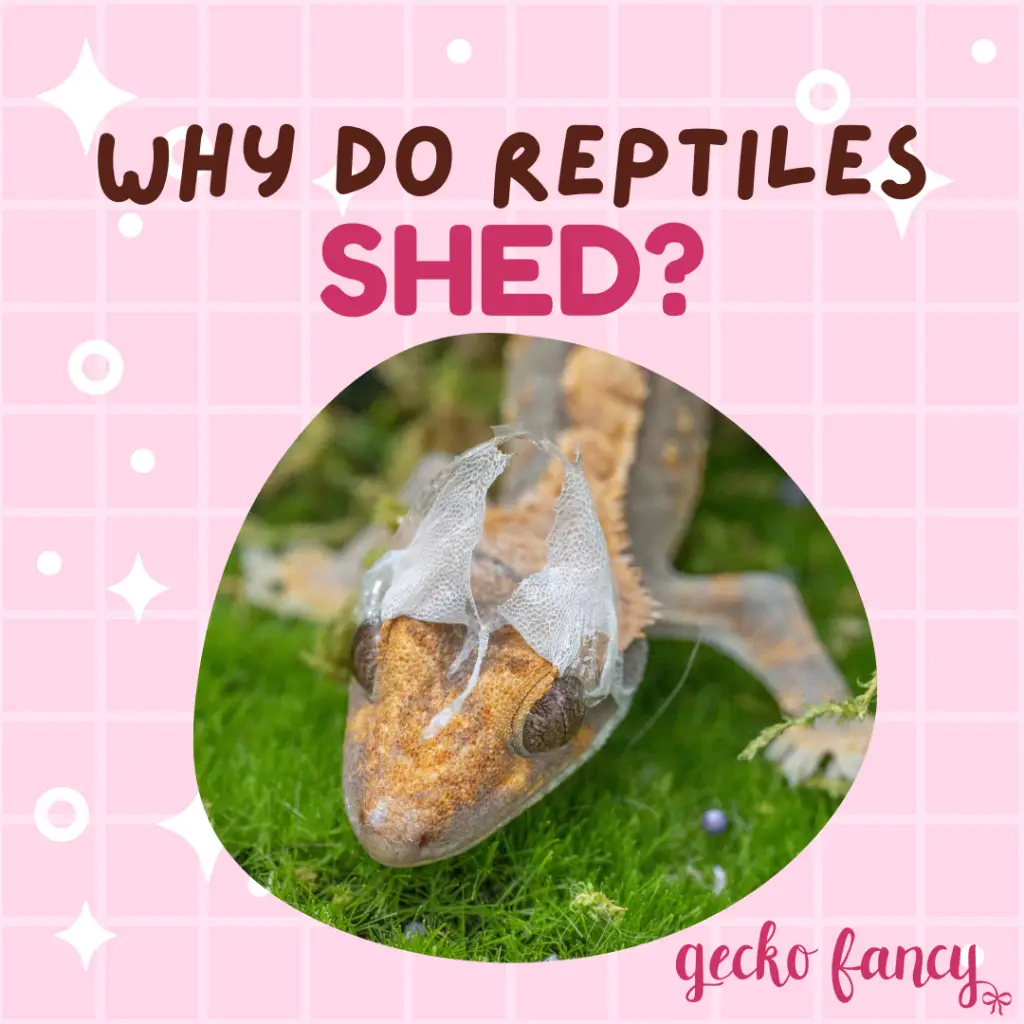
If you’ve ever noticed your gecko looking a bit “dusty” or seen your snake’s eyes turn a ghostly, milky blue, you’ve witnessed the start of one of nature’s most fascinating biological “makeovers.” This process, scientifically known as ecdysis, is a vital cycle that keeps your reptile healthy, growing, and vibrant. But why exactly do they do it, and what should you do if the process doesn’t go smoothly? Let’s dive into the science of the shed! Why Reptiles Need to Shed Unlike humans, who lose tiny, invisible skin cells every single day, reptiles have a much more dramatic way of refreshing their appearance. A reptile’s skin is covered in scales made of keratin—the same tough protein found in your fingernails and hair. While this skin is excellent for protection and preventing water loss, it has one major flaw: it doesn’t stretch. Think of a reptile’s skin like a child’s t-shirt. As the child grows, the shirt stays the same size. Eventually, they have to “size up” to a new shirt. Reptiles shed to literally step out of an old, tight skin to reveal a larger, more flexible one underneath. Parasite and Injury Management Shedding is also a form of “deep cleaning.” Ecdysis (shedding) helps physically remove external parasites like mites or ticks that may be clinging to the old scales. Minor skin injuries or worn-out scales are replaced with a fresh, healthy layer, almost like hitting a “reset button” for their skin. Boosting UV Absorption Fresh skin is more efficient at absorbing UV rays. This is crucial because UV light allows reptiles to synthesize Vitamin D3, which they need to process calcium and maintain strong bones. In some species, a fresh shed even improves UV-reflective coloration used for social communication and attracting mates. The Shedding Process Shedding doesn’t happen all at once; it follows a predictable timeline. Pre-Shedding Pre-Shedding, or the “blue” phase, is the very start of your reptile’s process of shedding. Before the skin actually peels, you’ll notice a few tell-tale signs: The Shedding Stage Once the new skin is ready, the fluid clears and the reptile begins the physical work. Stuck Shed Sometimes, the old skin doesn’t come off completely. This is called dysecdysis or “stuck” shed. Common Culprits Pay close attention to toes, tail tips, and eye caps. Stuck skin in these areas can act like a tourniquet, cutting off circulation and potentially leading to the loss of a digit or tip of the tail. How to Prevent it What to do About it Shedding is a window into your reptile’s overall health. A clean, complete shed is a great sign that your husbandry is on point. By providing the right humidity, rough textures, and a proper diet, you’re helping your pet thrive in their “new skin” – and you know they’re growing too! References: