


Why Does My Crested Gecko Change Colors?
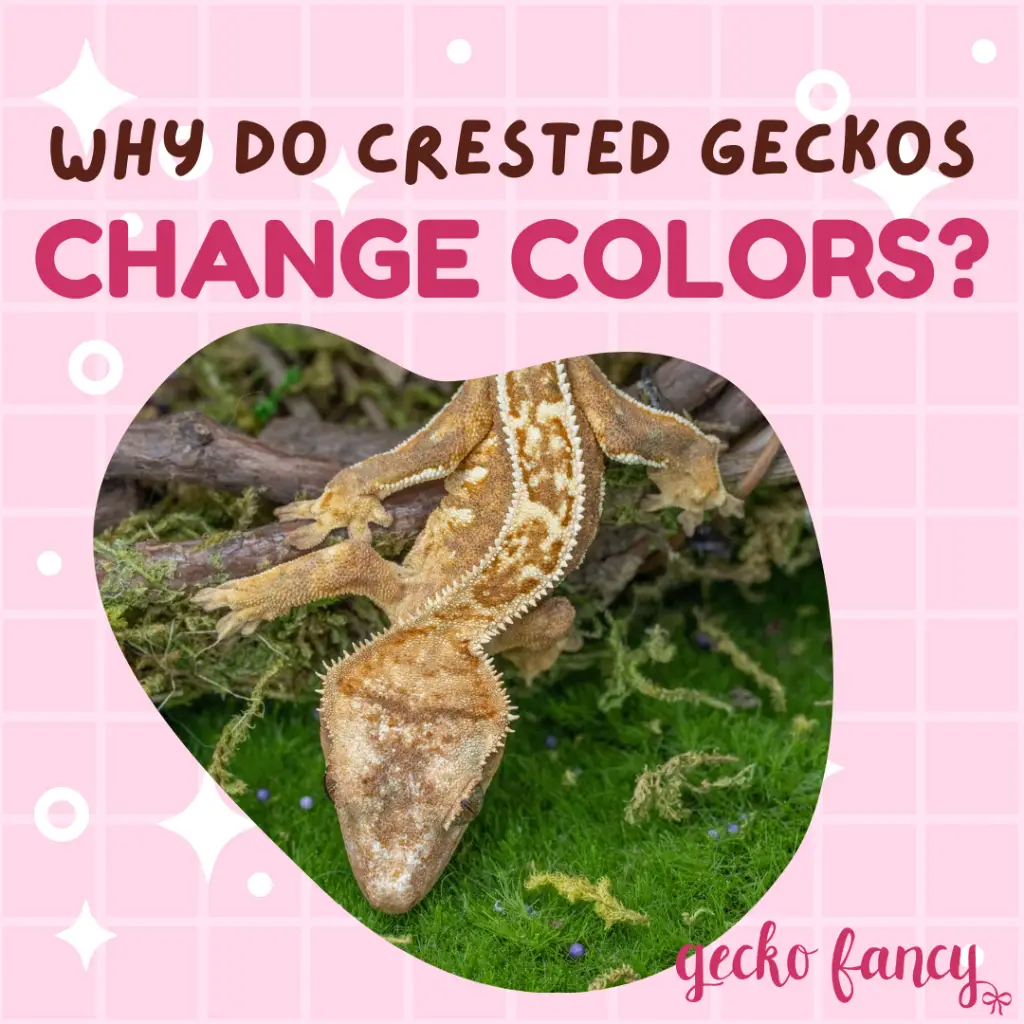
Have you ever noticed your Crested Gecko transforming before your eyes, shifting from a muted, almost drab appearance to a vibrant, eye-catching display of color? It’s a captivating phenomenon that most new keepers aren’t prepared for, and understanding it is key to providing the best possible care for your scaly friend. Let’s dive deep into the science behind why Crested Geckos change colors, exploring the fascinating processes of “firing up” and “firing down,” and what these changes reveal about your gecko’s well-being and mood. How Geckos Change Colors Unlike chameleons in popular culture, which can change colors almost instantaneously, Crested Geckos undergo a more gradual process of color change, known as “firing up” and “firing down.” This process isn’t just about aesthetics, it’s a complex interplay of biology, environment, and physiology. The magic happens within specialized skin cells called chromatophores, located in the dermis layer. These aren’t like the pigment cells in human’s skin. Reptiles have multiple types of chromatophores that act like sophisticated light manipulators. Here’s a breakdown of the key players: These chromatophores are arranged in a highly organized structure called the dermal chromatophore unit (DCU). Iridophores form a reflective base, with xanthophores above them, and melanophores with branching extensions weaving throughout. When melanosomes (the pigment-containing structures within melanophores) move into these extensions, they block light, resulting in darker skin. When they retract, more light reflects, leading to brighter colors. This pigment translocation is powered by cellular structures called microtubules and actin filaments. This movement isn’t instant, it takes a few minutes, which is why you see a gradual color intensification when your gecko “fires up”. Crested Geckos can also undergo slower morphological color changes over weeks or months, where the number or density of chromatophore cells changes in response to long-term environmental stimuli. This explains why captive-bred geckos can develop more vibrant colors over time with optimal nutrition, UVB exposure, and humidity cycles. Firing Up vs. Firing Down “Firing up” refers to when a Crested Gecko displays its most vibrant, saturated, and intensely pigmented coloration. Colors are brighter, more contrasted, and clearly defined. This is the state you’ll typically find photos of. “Firing down,” on the other hand, means the gecko exhibits more muted, pale, and overall less vibrant coloration, with reduced saturation. A vibrant red gecko might appear pale pinkish-brown or even white or grey when fired down. Important Note: Firing up does not indicate stress! It’s primarily an environmental response to increased humidity, environmental activities, and lighting. In fact, firing up often signals comfort as they prepare for going about their daily activities! Have you ever heard the term “misfire”? Geckos exist on a color continuum, sometimes appearing “misfired” with partial color expression. These transitions can happen multiple times a day, and may happen frequently or infrequently. Typically, when misfiring is the case, you’ll find that it’s found around the limbs. On our geckos, it’s almost always around the joints and tends to be where outer limbs sare covering skin on the body! Environmental Triggers Humidity and lighting are the primary drivers of color change, with temperature playing a supporting role. As a reminder, stress can cause temporary darkening, but this is different from “firing up”. What Colors Reveal Coloration is a key indicator of a Crested Gecko’s health. Pale appearance during shedding is normal, it typically appears almost like there’s a sheet on top of your gecko! As juveniles, they typically shed their skin once per month or every other month, becoming “duller” during this period. For adults, they shed much more infrequently because they are no longer growing! My adults typically shed two to three times per year in total. Persistent dark coloring, however, can signal health issues, inadequate temperature, or metabolic problems. On the contrary, unusually pale patches may indicate skin infections. Diet also plays a large role in coloration, just like in people! A balanced diet with calcium and vitamin D3 leads to more vibrant colors, and of course, a healthier gecko. Here at Gecko Fancy, we recommend Lugarti Premium Gecko Diet! Some breeders report that UVB lighting enhances coloration, but there are no published studies confirming this at this time. Morphs, Traits, and Hereditary Patterns Crested Gecko genetics are complex, with most color morphs being polygenic. There are five confirmed genetic morphs with understood inheritance patterns: lily white, phantom, cappuccino, axanthic, and sable. Many other traits, like pinstripe, harlequin, and dalmatian, show inheritance patterns consistent with incomplete dominance. A gecko might appear plain when fired down but reveal spectacular colors when fired up. Young geckos also undergo dramatic color and sometimes pattern development through their growth to adulthood. Circadian Rhythms and Daily Color Cycles Color changes are linked to circadian rhythms and nocturnal behavior. You’ll find that disrupting the light-dark cycle can disrupt color expression. It’s one of the reasons we recommend providing a natural amount of light per day with distinct transitions between seasons. It really helps your gecko’s internal clock! Lifespan Color Changes Similar to people, hatchling or baby colors often differ greatly from adult colors. In Crested Geckos, color development accelerates between 3-6 months, with most geckos reaching their final coloration by 8-12 months. Several morphs and genes continue to change throughout their full growth to adulthood, however. We find that Lily White, Snowflake, Whitewall, and Drippy genes tend to continue changing through the 2-3 year mark. Practical Tips for Gecko Keepers Understanding why Crested Geckos change colors is more than just a scientific curiosity, we think it’s essential for providing optimal care and appreciating the beauty of these fascinating reptiles. By paying attention to environmental factors, observing color changes, and understanding the genetics at play, you can unlock the secrets of your gecko’s vibrant world. Ready to take your Crested Gecko care to the next level? Check out these sources and references, and check out other posts on the Gecko Fancy blog! Sources and References https://acreptiles.com/new_store/index.php?dispatch=pages.view&page_id=38 What Your Gecko’s Color Changes Reveal Daily What Your Gecko’s Color Changes Reveal Daily https://pmc.ncbi.nlm.nih.gov/articles/PMC8955407/ https://www.oreateai.com/blog/understanding-your-crested-geckos-pale-appearance/3f00242ab772bcca032cb20f4f3d4dfe https://www.geckooverload.com/care-sheet https://en.wikipedia.org/wiki/Chromatophore https://howtocrestie2.weebly.com/health-check.html