


Gecko 101: Leopard Gecko Care
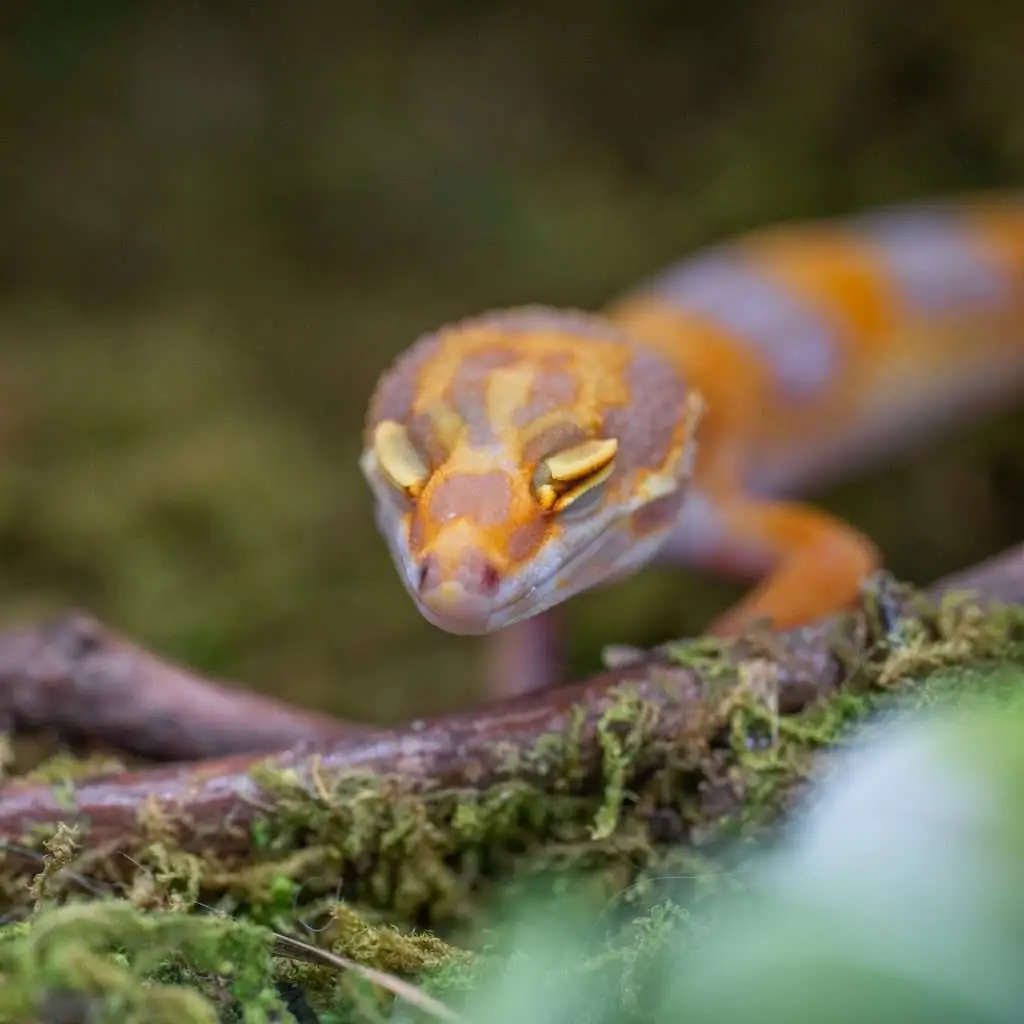
Welcome to the wonderful world of Leopard Geckos (Eublepharis macularius)! These hardy, docile, and character-filled reptiles are one of the most popular first-time pets. Our guide will walk you through setting up their perfect home and keeping them healthy and happy, the Gecko Fancy way! Habitat Setup: Creating the Perfect Home The Enclosure Substrate (Flooring) The substrate choice is crucial for your gecko’s health. Safe Substrates (Recommended) Substrates to AVOID Paper Towels: Easy to clean, great for juveniles/quarantine. Calci-Sand/Vitamin Sands: Often ingested, causing impaction. Slate Tile/Non-Adhesive Shelf Liner: Easy to disinfect, holds heat well. Loose Sand (Play Sand, etc.): High impaction risk. Scott’s Top Soil/Play Sand Combo: This is what we personally use! A 70% Top Soil, 30% Play Sand mix is what we find our geckos love the best! Reptile Carpet: Requires frequent, thorough washing, holds a significant amount of bacteria. Hides A leopard gecko requires a minimum of two hides to feel secure and regulate its body temperature and moisture. Diet & Nutrition Leopard Geckos are insectivores and should never be fed fruits or vegetables, or something like a Crested Gecko/Frugivore Deit. Their main diet consists of live insects. We feed our geckos three times per week! Staple Feeders Treat Feeders Water Always provide a shallow, clean dish of fresh water. While you do not have to use dechlorinated or spring water, we do specify that you should only ever use clean water. Please do not use outside/unfiltered water like from a puddle or pond! Shedding & Health Shedding (Ecdysis) Leopard Geckos shed their skin as they grow. It’s more frequent for babies to shed than adults, but adults will still shed throughout their lifetime! You’ll know if a gecko is about to shed because their skin will appear dull, grey, white, and/or begin to lift around their joints. Make sure at least one of their hides is wet or very humid to make sure they are able to shed their skin! Geckos, including Leopard Geckos, typically eat their shedded skin to get more calcium back into their bodies, so it’s very possible your gecko may also shed without you knowing! If the skin doesn’t come off fully, especially around the toes or eyes, it can constrict circulation. A warm, shallow soak can help loosen stuck skin, which you can then gently remove with a moist cotton swab. Want to make it a little bit easier? We recommend keeping a Shed Spray on hand, like the Lugarti Shedding Spray! Common Health Issues
Gecko 101 : Crested Gecko Care
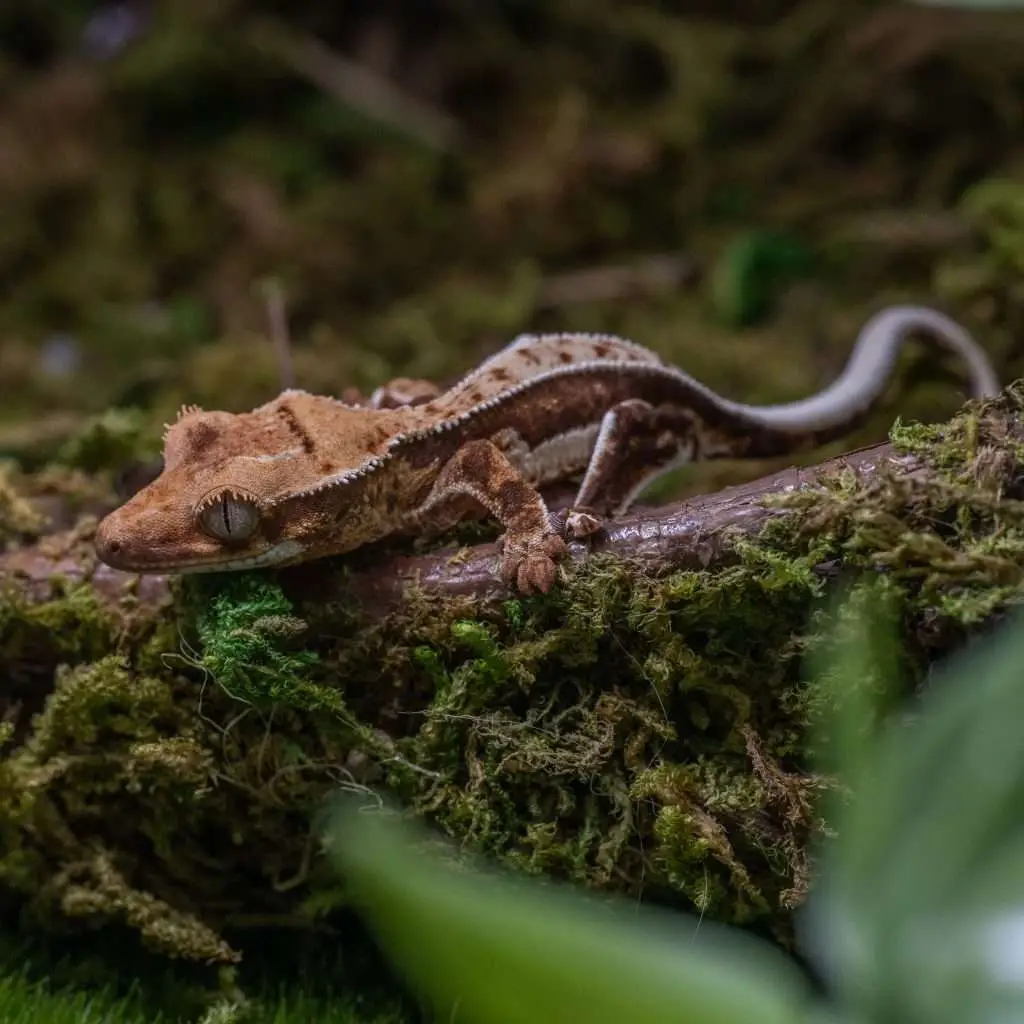
Are you ready to take on your next adventure or just getting started in the reptile world? Crested Geckos are an evergreen favorite, consistently easy to care for, friendly, and safer than other starter or beginner-friendly reptiles thanks to a combination of their diet and lack of teeth. Let’s start with the basics! The scientific name of Crested Geckos is “Correlophus ciliatus” and they are a member of the Diplodactylidae family. These geckos natively live in the country of New Caledonia, fairly close to Australia. Crested Geckos are arboreal, meaning that they like to climb! Unlike frogs, geckos are not sticky or slimy. In fact, their toes work very similarly to velcro and are actually made up of millions of little tiny hairs called “setae”. Unlike velcro, though, the setae are able to rid themselves of any stuck debris by the gecko flexing its toes! Ready to move on to how to care for your new friend? Here’s how we care for our geckos. Enclosures Juveniles When you house a juvenile or baby Crested Gecko, you have to keep in mind that they aren’t quite as smart as we’re used to with most animals. They can easily get lost in an enclosure and won’t be able to find their food, or become stressed if it’s too open and there aren’t enough places to hide. Here at Gecko Fancy, we personally house our babies and juveniles in our acrylic Cottage Habitat kits you might have seen us with at shows, roughly 8x8x12 inches. We’ve found that for our juveniles, the size and combination of items in the kit is perfect and allows them enough room to explore but not enough to get lost or stressed. Adults For our adult Crested Geckos, this is when it really gets fun with options! Enclosures are very personal, and honestly trial and error. What some keepers prefer is different from others, and it’s the same for the animals too. We have lots of geckos who prefer slightly smaller areas or they get stressed, and lots of geckos who prefer more room to roam. For us, we’ve found the majority of our geckos are the happiest and least stressed in a 12x12x18 inch enclosure, like our Castle Habitat! If you find yourself with a gecko that prefers to sleep upside down, we like to switch them to an enclosure around 10 inches tall in order to curb the upside down sleeping and in turn, prevent floppy tail syndrome (FTS). Substrate We keep all of our babies on paper towel to prevent accidental ingestion of any dirt. Geckos don’t tend to encounter dirt very often in the wild, and haven’t developed an instinct telling them not to eat the dirt. Not a fan of the look of paper towel? You can always try ground or fine coconut coir! Coco coir is a natural medium made from ground up coconuts. As long as you find yourself with a pure coco coir product, you shouldn’t have to worry about things you might find in dirt like micro plastics, minuscule rocks, or unwelcome visitors like mites. If you have a juvenile or adult Crested Gecko, you can always go with a bioactive or semi-bioactive setup! At their size, if they accidentally swallow any substrate, they should be able to pass it as long as the substrate is fine and not very chunky in texture. We prefer Scott’s Top Soil, which you can purchase at most big box stores, including Walmart, Lowe’s, and Home Depot! Think this is the route for you? Make sure you add other essentials to ensure that your tank is a truly self-running bioactive setup! You’ll want a clean up crew comprised of at least springtails, but you can always add other isopods for an extra fun pet-for-your-pet type of a thing! Food These geckos are relatively easy to feed with a number of complete diets available on the market! Crested Geckos are “frugivores” (sometimes written as “fruitivores”) and consume mostly fruit with a recommended mix of live insects like crickets or dubia roaches. On the market right now, you’ll be able to choose from a very wide variety of commercially prepared diets. We’ve tried them all, and our personal favorite is the Lugarti Premium Crested Gecko Diet. It’s made of the best ingredients, made in the USA, and is cheaper than a lot of other options on the market! If you’re feeding a nutritionally complete diet like Lugarti, we do not recommend feeding live insects in addition to that diet. Because they are comprised of all of the nutrients that your gecko needs, adding insects in addition adds extra protein, fat, and other things that can cause obesity over time. Live insects are also where you’ll typically find nasty things like parasites and salmonella. We recommend staying away from them as much as possible. We feed our geckos three times per week, Monday, Wednesday, and Friday. Some breeders recommend removing uneaten food between feeding days, but we find that some of our geckos prefer to eat their food after it’s sat for a little bit. Think about it like this, they typically eat rotten fruit in the wild! Some prefer a little extra tang to that scent, if that makes sense. A lot of our success with growing juveniles and hatchling geckos is by adding honey and bee pollen to our complete diets. These are both natural appetite stimulants and preservatives, so they both help to extend the amount of time a batch is good in our refrigerator! We always recommend using locally produced honey, just like for people! When it comes to water, ensure you use clean water (and not from a pool or pond!) to mix your gecko’s food and mist them. Humidity We’re located in Arkansas, a naturally very humid environment. New Caledonia has an almost identical climate when it comes to ambient humidity and temperatures. This allows us to maintain ideal humidity levels just through misting when we feed our geckos. If you live in a drier climate, we recommend misting more to increase